Vivint—Decentralized Data Storage
Cloud storage with no datacenters, spread across the homes using it.
Space Monkey was cloud storage without a data center. Your files lived, encrypted and redundant, across the drives of everyone else on the network. Vivint acquired it and brought me on to design the apps people reached it through, on mobile, desktop and web.
The Problem—Delete the data center
Every cloud service in 2015 answered the same way: build a warehouse and pipe everyone’s files into it. Space Monkey took the opposite bet. Put a device in the house, keep a piece of everyone’s data on everyone else’s drive, encrypted and redundant, and you do not need the warehouse.
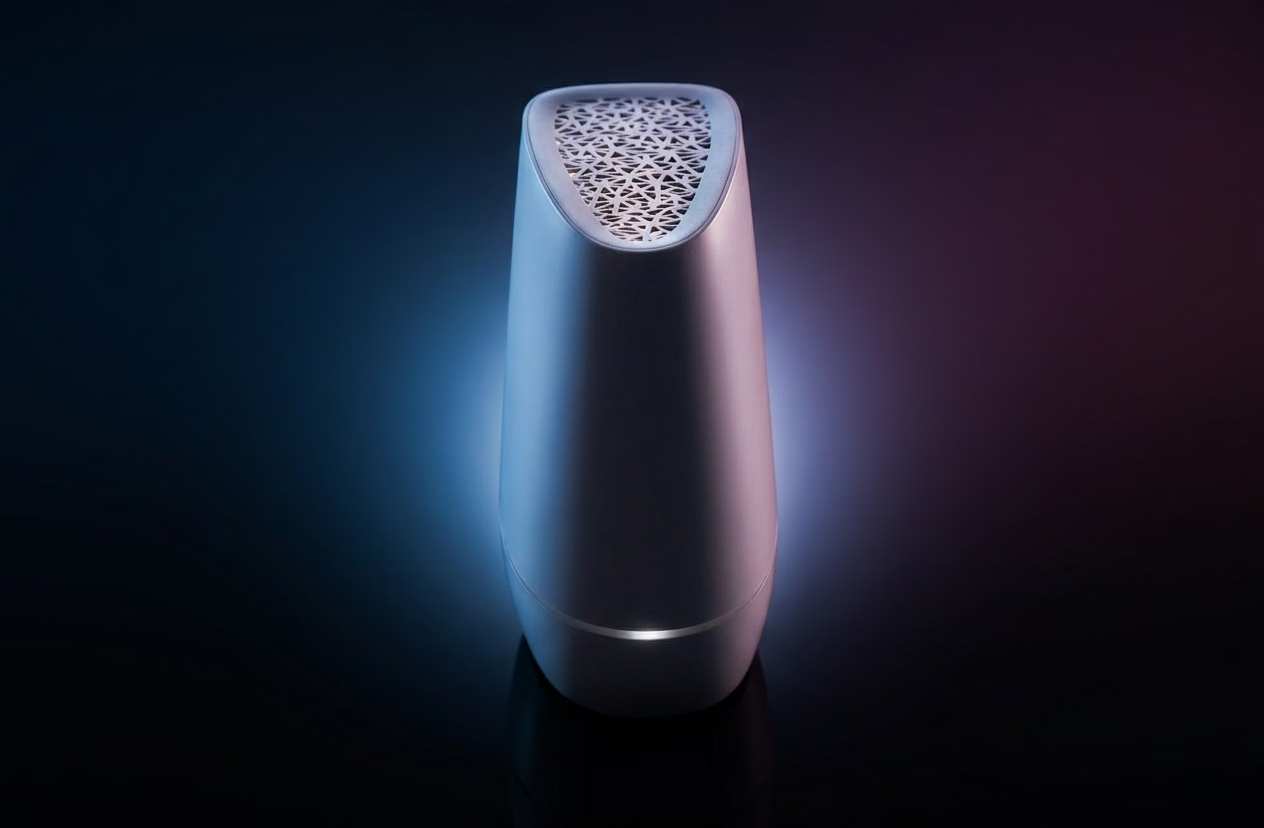
The bet had takers. Two engineers out of Mozy started it in 2011, Google Ventures led the seed, and a 2013 Kickstarter raised $349,625 against a $100,000 goal. The offer was one terabyte in your house for $10 a month, your files mirrored across everyone else’s.
Vivint acquired the company in September 2014 and brought me on the year after. The storage worked. What nobody had settled was what the thing was actually for.
After Launch—It was a photo product, not a storage product
You open a file manager when something breaks.
You open a photo library because you want to.
We could not see anyone’s files, but we could see file types, and we could see what got opened again after it was stored. Both pointed the same way: photos and video, overwhelmingly. That is a different product from a backup drive.
The Solution—Rebuild it as a photo product
01—Make the file manager secondary
What we had built first was a file manager: folders, lists, file sizes. Once the file types said photos, that was the wrong front door. Photos and video moved to the front and the file manager stayed on, one level back.
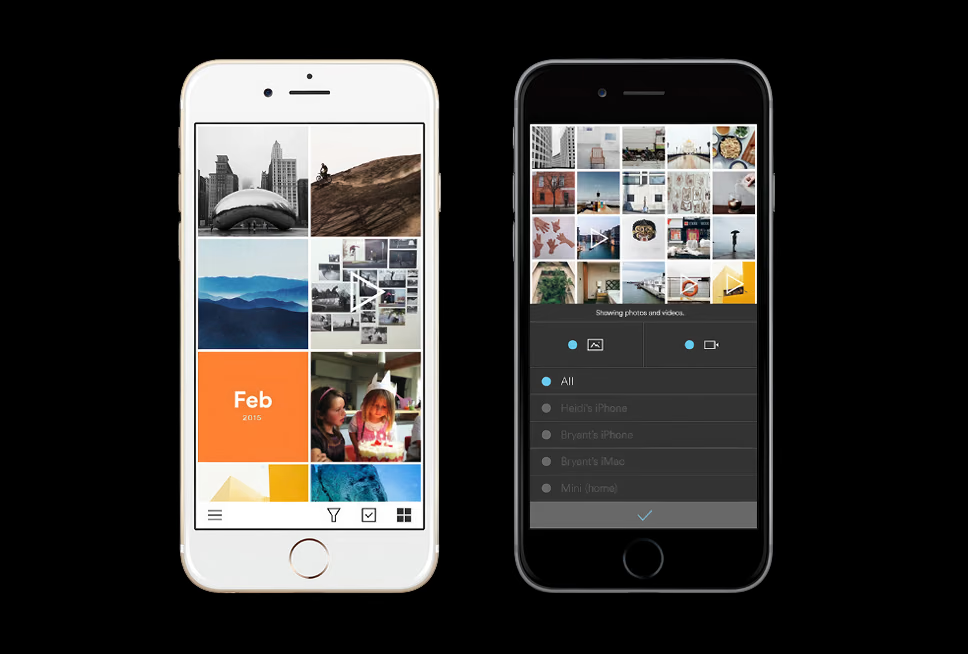
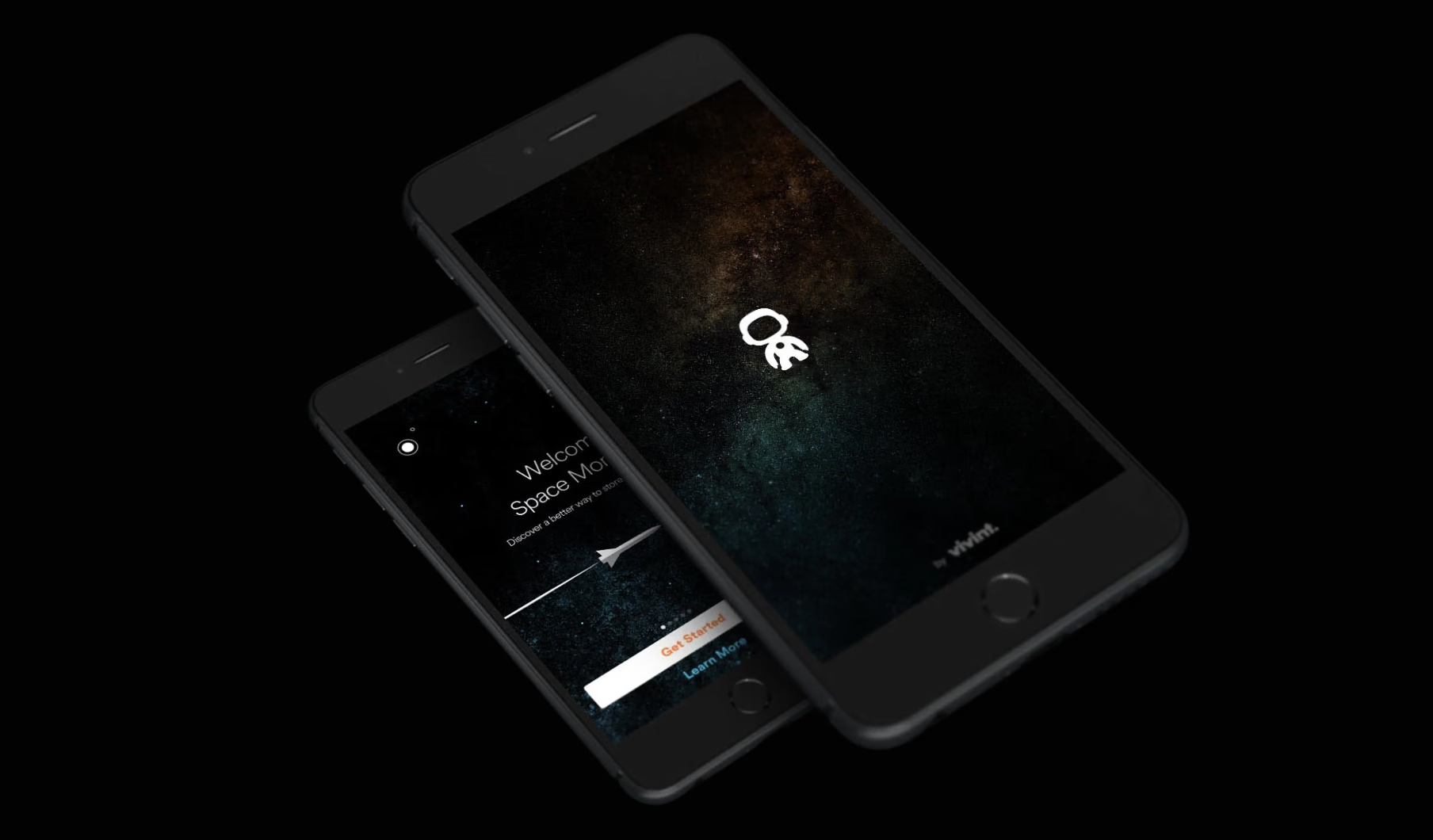
Store, view and share your photos and videos automatically, always safe on the device at home. 02—Get the box on the network first
None of it worked until a physical device had joined the network. Onboarding walked people through pairing it, matching the blinking light on the front against the one on screen, with a troubleshooting path for when it did not take. Hardware setup is where people quietly give up.
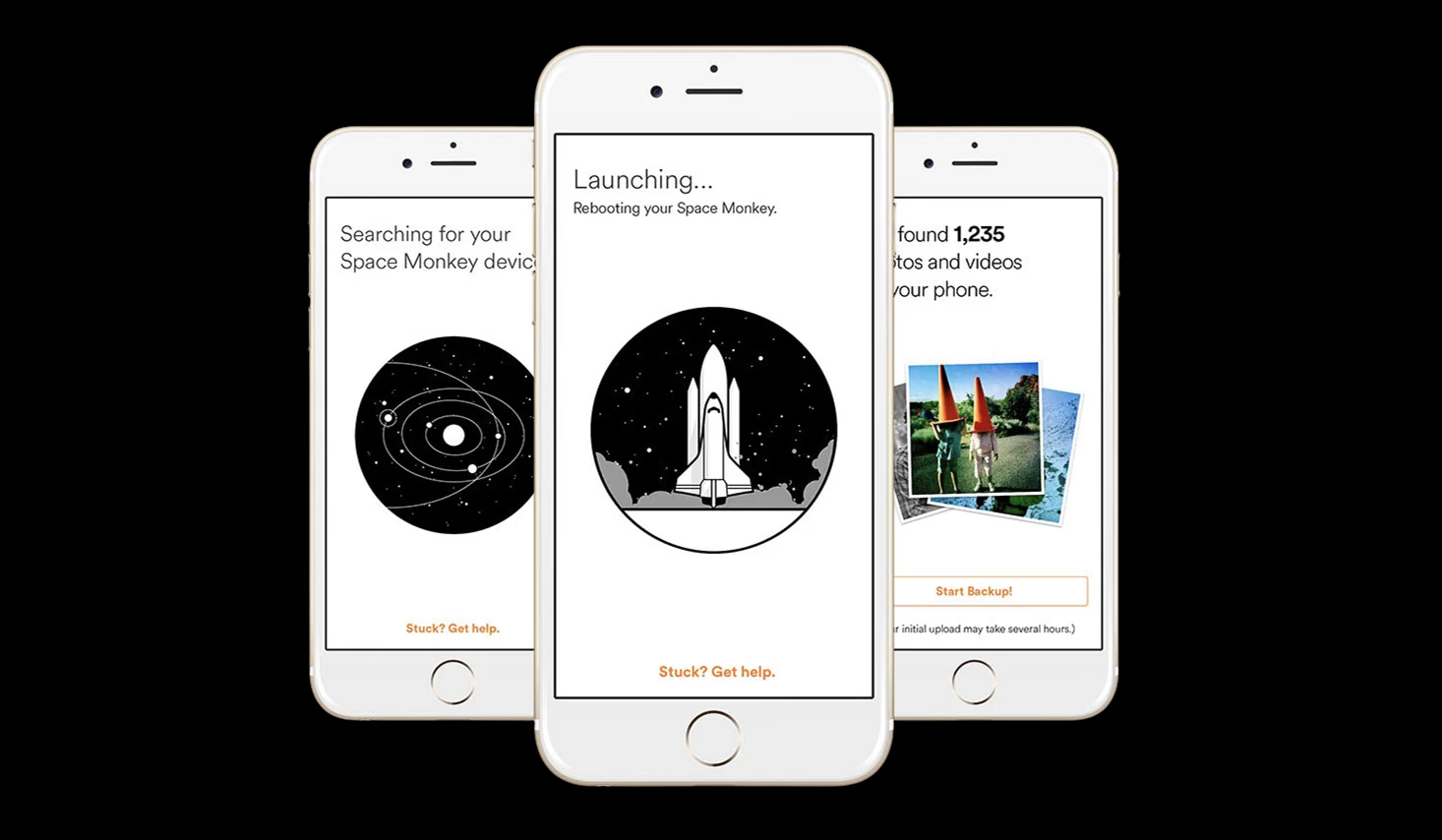
The device setup flow. 03—Ask for the whole library, not a sample
Stickiness tracked with how much someone had put in. A library holding a few hundred photos is easy to walk away from and one holding ten years of them is not, so onboarding asked for the entire camera roll. That bought retention and it cost us a very long first upload.
04—Tell people exactly what is safe
That first upload is where it got dangerous. Someone who has just handed over years of photos needs to know exactly what has made it and what is still in flight, so a lot of the design went into showing the state of the sync rather than hiding it behind a spinner.
05—The hard parts were the invisible ones
Almost none of the difficulty was on screen. Getting an upload to move quickly enough, pulling a full-resolution photo back on demand, starting a video without a pause: on a network stitched together from other people’s drives, none of that comes free, and all of it decides whether the app feels worth keeping.
06—Make sharing work inside a family
Sharing within a family was a use case we wanted to offer, and it was a challenge in both the design and the plumbing. Getting a set of full-resolution photos and video off a device in someone’s house and to a person who did not own one was not a solved problem. This was 2015, years before iCloud Photos and Google Photos made these patterns feel obvious, so there was very little to borrow.
Outcome—Beaten by free
There is no design answer to free.
At our high point we were writing more new data to Space Monkey drives each day than YouTube was taking in new video, on what was then the largest peer-to-peer storage network in the world.
Then Google Photos launched with a free tier and the floor fell out. We were asking people to buy a device to keep their photos safe, against a competitor giving the same job away at no cost.
Vivint shut the department down and four of us left to start Stretch Metrics. The technology outlived the product though. Vivint kept it running as Smart Drive for camera footage, and in 2019 the distributed storage spun out as CrowdStorage, which Storj later acquired and still runs on.
Learnings—Key takeaways
The pitch and the usage described different products
Space Monkey was sold as storage and used as a photo library. Nobody said so. It showed up in file types and in what people opened again, and the usage described a product the pitch did not.
Free is not a price you can compete with
Google Photos did not undercut us. It made the same job free. We were asking people to buy a box and pay every month for something they could now get for nothing, and no screen fixes that.
Next